
Creating a pet food routine that stays consistent can transform your pet's health and happiness. While it may sound intricate, a well-crafted feeding schedule ensures that your furry friend gets the nutrition they need while making mealtimes seamless for you. Dive into this step-by-step guide to unlock the secrets to a reliable and balanced feeding regimen for your pet.
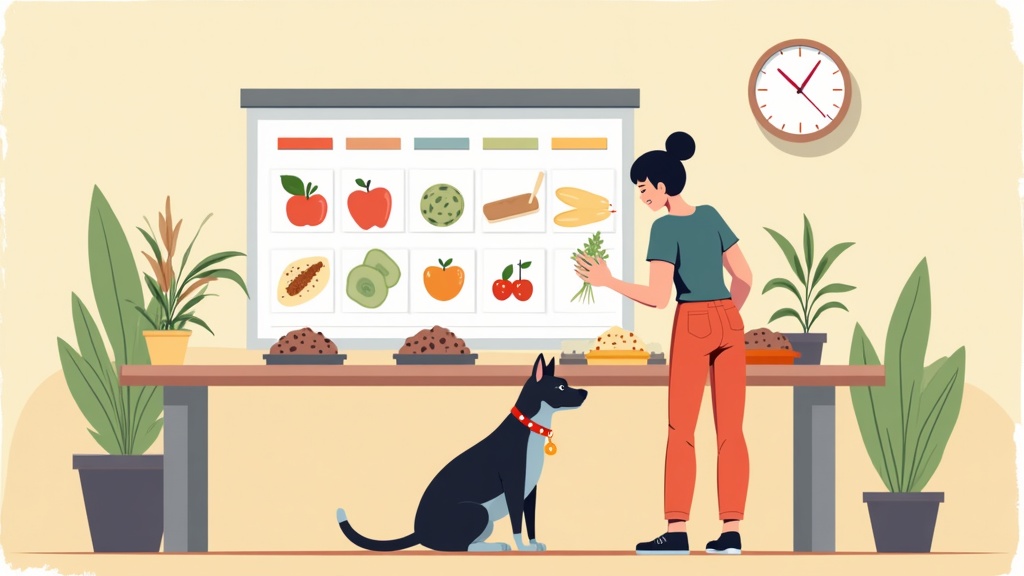
Identify Your Pet's Dietary Needs
Before establishing any routine, understanding your pet's specific dietary needs is essential. This involves knowing their breed, age, weight, and activity level. For instance, a puppy's requirements differ significantly from that of an elderly cat. Consult with veterinary nutritionist Dr. Sarah Bennett, who emphasizes focusing on high-quality protein sources for active dogs, while cats may benefit from taurine-rich diets.
Choose the Right Type of Food
With endless options available, selecting the right type of pet food is crucial. Whether your choice leans towards dry kibble, wet food, raw, or homemade diets, ensure it fulfills their nutritional necessities. Pet care expert Jonathan Matthews advises incorporating a blend of wet and dry food to maintain hydration and oral health in pets.
Schedule Regular Feeding Times
Consistency in feeding times helps in maintaining metabolism and reducing anxiety in pets. Start with setting feeding times around your schedule while ensuring it aligns with your pet's biological needs. Animal behaviorist Laura Chen suggests that cats thrive on smaller, more frequent meals, while large breeds benefit from twice-a-day feeding to prevent bloating.
Master Portion Control
Portion control is a critical element of any feeding routine. Ensure portions are measured based on guidelines provided by your vet or the food brand to maintain an ideal weight. Pet nutritionist Mark Jenkins advises using a digital scale to prevent overfeeding, which can lead to obesity—a common issue among urban pets.
Create a Feeding Station
Dedicate a space in your home as a feeding station for your pet. This helps pets feel secure and fosters good eating habits. Decorate the station with clean bowls and a mat to catch spills. Animal enthusiast Georgia Lee mentions that an inviting and consistent environment helps pets feel more comfortable during mealtimes.
Incorporate Treats Wisely
Treats play a valuable role in training and rewarding pets, but moderation is key. Integrate treats into the daily caloric intake so they don’t disrupt dietary plans. Behavioral trainer Alex Morgan suggests using treats as incentives for good behavior or to gently reinforce positive habits during training sessions.
Monitor and Adjust the Routine
Over time, your pet's needs may change, and adjusting the feeding routine becomes imperative. Therapeutic nutrition advisor Donna Reyes recommends regular health check-ups to ascertain dietary changes. Adjust portion sizes or food types based on new medical findings or life stages such as pregnancy or seniority.
Incorporate Hydration Practices
Hydration is as vital as food in a pet's diet. Ensure your pet has access to fresh, clean water at all times. For pets on a dry diet, wet food can supplement fluid intake, reveals hydrology expert Ethan Cole. Pets with urinary issues might benefit from water fountains that encourage them to drink more.
Evaluate and Reflect
Finally, reflect on your pet's response to the instituted routine periodically. Playful, energetic behavior and a shiny coat are indicators of their nutritional well-being. Animal wellness coach Isabella Scott advises documenting these observations to better understand the impact of their feeding habits, aiding future adjustments as needed.