
As pet owners, we often find ourselves rummaging through aisles, bewildered over what truly constitutes the ideal pet meal. Amidst kaleidoscopic pet food packaging and catchy labels, it's easy to feel overwhelmed. Let's uncover the questions you should be asking about ingredients to ensure your furry family members are getting the nutrition they deserve.
Investigating Core Ingredients
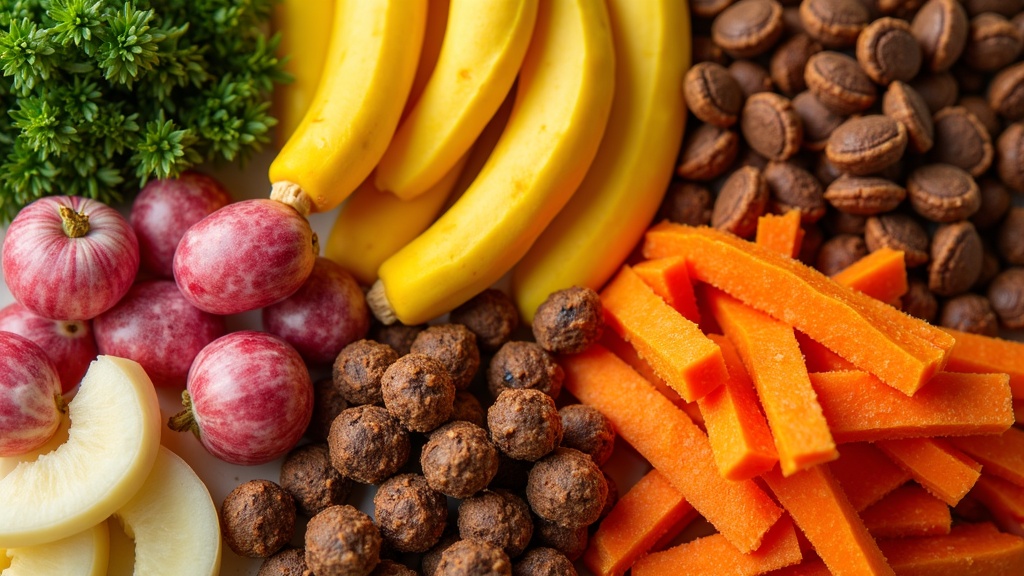
The essence of any pet food lies in its core ingredients. Amy Richards, a senior pet nutritionist, emphasizes the importance of understanding what goes into your pet’s food. Begin by scrutinizing the ingredient list—does it feature real meats or ambiguous fillers? High-quality sources, like chicken and beef, should be the primary components, providing essential proteins for muscle maintenance and growth.
Deciphering Unfamiliar Additives
Dive into the cryptic world of additives with caution. Some additives serve precise functions—preservatives for longevity, and flavor enhancers for taste. Lucy Thompson, a veterinary dietician, advises pet owners to distinguish between natural preservatives, like vitamin E, and synthetic ones, which could pose potential health risks over time.
Harnessing the Power of Portions
Proper portion control is quintessential for your pet's health. Samantha Lee, an expert in animal wellness, points out that understanding and implementing the recommended serving sizes on packaging can prevent overfeeding. Calculating meals based on your pet’s weight, age, and activity level ensures they're neither underfed nor overfed, promoting optimum health.
Meal Timing Matters
Timing can make all the difference in your pet's dietary health. Regular meal times help regulate metabolism and energy levels, notes James Murray, a pet behavioral expert. Consistent feeding schedules can alleviate gastrointestinal stress and establish predictable routines for your pet.
Mastering Mealtime Variety
Adding variety to your pet’s diet can enhance nutrient intake and palate satisfaction. Emily Navarro from Pet Nutrition Insights suggests occasionally mixing different foods or introducing fresh foods, like cooked vegetables, into your pet’s meal plan. This not only addresses nutrient needs but also stimulates interest in mealtime.
Safeguarding Food Storage
Improper storage can lead to a loss of nutrients and poses health risks. Enzo Martinez, a food safety specialist, warns that exposure to air and humidity can spoil pet food. Airtight containers and cool, dry places preserve freshness and prevent bacterial growth, safeguarding your pet’s food quality.
Consistency in Dietary Planning
Establishing a consistent dietary plan is key to tracking your pet’s nutritional intake effectively. Chloe Yang, a professional pet planner, advises creating a balanced meal chart that incorporates both dry and wet food elements. This minimizes digestive disturbances and ensures consistent nutrient absorption.
Addressing Special Dietary Needs
Certain pets may have unique dietary requirements due to conditions like allergies or obesity. Specialized diets often require consultation with a veterinarian. Nicholas Wong, a pet health advisor, underscores the significance of custom-tailored diets to address these needs while maintaining overall health.
Concluding the Culmination of Pet Food Wisdom
The quest for premium pet nutrition may seem daunting, but armed with knowledge, it transforms into an insightful journey. By asking the right questions about ingredients, portions, and other pivotal aspects, owners can ensure their companions thrive on the nourishment provided, delivering health and happiness for years to come.