
Just as humans need water to thrive, our beloved pets rely on proper hydration to maintain their health and vitality. This article dives into the essential habits every pet owner should adopt to ensure their furry friends are well-hydrated and happy. Are you ready to discover the secrets to unleashing optimal pet health?
Understanding Pet Hydration Needs
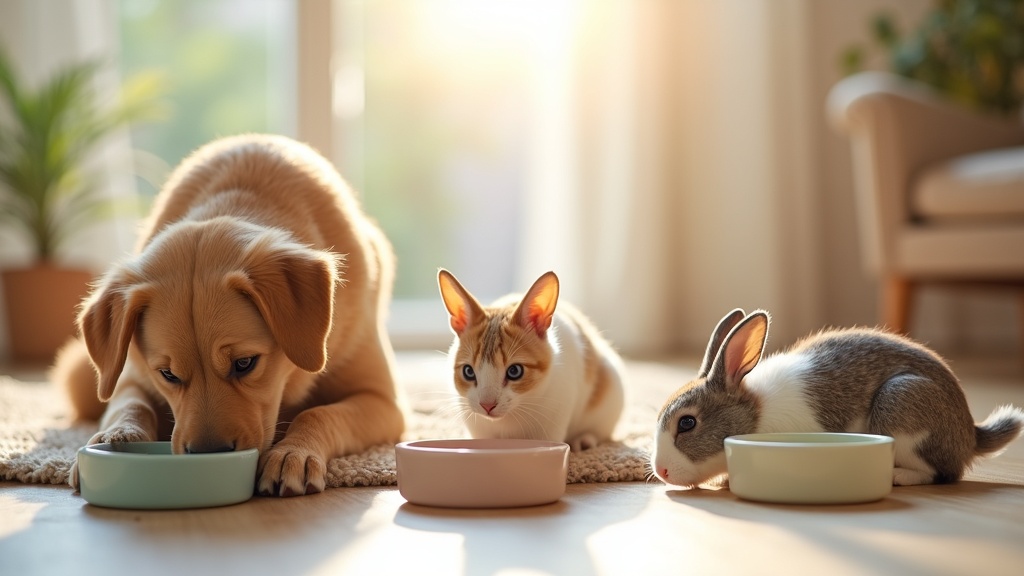
Hydration is the cornerstone of a healthy life for both people and pets alike. Like humans, dogs, cats, and even small mammals such as rabbits need adequate water intake to regulate body temperature, aid digestion, and enable waste elimination. According to Dr. Sarah Lennox, a veterinary expert, 'Keeping your pets hydrated is key to preventing serious health issues in the long run.' Each species and breed may vary in their specific hydration needs, thus making it essential to tailor your approach.
Recognizing Dehydration in Pets
Dehydration can be a silent yet serious ailment for pets if not addressed promptly. Our furry companions won't always show obvious signs, so it’s crucial for pet owners to know what to watch out for. Symptoms like dry gums, listlessness, or sunken eyes can indicate dehydration. Veterinarian Dr. Kenneth Lee advises, 'Checking your pet’s skin elasticity and monitoring their daily water intake can give quick insights into their hydration levels.'
The Role of Diet in Hydration
Wellness begins with what’s in the bowl! Dry kibble diets often require pets to drink more water, whereas wet food can naturally boost moisture intake. Nutritionist Mia Chen suggests, 'Incorporating wet food or homemade broths can significantly contribute to your pet's daily water intake and increase their nutritional value.' Finding the right balance based on your pet’s diet is a key part of their overall wellness plan.
Encouraging Water Consumption
For some pets, drinking enough water doesn’t come naturally. Setting up multiple water stations, using pet fountains, and even adding pet-safe flavorings can entice them to sip more throughout the day. 'Sometimes it’s about making drinking an enjoyable experience,' says pet behaviorist Ryan Doyle. Identifying what motivates your pet can make a significant difference.
The Importance of Clean Water
Just as humans prefer fresh, clean water, so do our pets. Regularly changing the water and washing bowls to prevent bacterial build-up is crucial, particularly in warmer climates where bacteria grow faster. Jenni Carter, a pet health advocate, notes, 'Clean water can prevent gastrointestinal issues and ensures your pet drinks as much as they need without hesitation.'
Seasonal Considerations for Hydration
Different seasons bring varied hydration challenges. Summer's heat demands extra vigilance, while more humid seasons might lead to slower evaporation, requiring less water. Conversely, during winter, heated indoor environments can contribute to faster moisture loss. Adapting your routines to the seasons ensures year-round hydration balance for your pet.
Integrating Monitoring Habits
Maintaining consistent hydration logs and evaluating water intake against exertion levels are practical ways to keep track of your pet's hydration. Pet wearables and smart water bowls are modern tools designed to assist in this monitoring. Technology enthusiast Nathan Briggs shares, 'Collecting data with these tools empowers owners with information to make necessary adjustments proactively.'
Hydration and Physical Activity
Activity levels greatly influence your pet’s hydration needs. After a long walk or an active play session, pets should be stimulated to rehydrate promptly. 'Integrating short water breaks during long activities can prevent dehydration,' suggests fitness trainer Hannah Ray, emphasizing the interplay between hydration and a healthy lifestyle for pets.
Consulting Your Vet for Personalized Advice
Ultimately, recognizing that each pet is unique is fundamental. Regular vet check-ups can provide personalized advice tailored to your pet's age, health status, and lifestyle. Dr. Olivia Kim advises, 'Partnering with your vet to create a hydration plan is one of the best ways to ensure your pet's long-term health.'