
Do you find yourself scrambling to put together your pet's meal at the last minute? Yvonne Marsden, a seasoned pet care expert, believes that strategic mealtime planning not only enhances your day but significantly improves your pet's quality of life. Here's how you can transform daily feeding into a smooth and cherished routine.
Understanding Your Pet's Needs
Different pets have different dietary requirements. Before diving into meal prep, ensure you understand your pet’s specific needs. Whether your pet is a growing puppy, a mature cat, or an active rabbit, tailoring their diet can make a world of difference in their health and happiness. Speak with your veterinarian to chart out specific ingredients and portions that fit your pet’s life stage and health goals.
Planning Meals in Advance
Megan Porter, a professional pet nutrition advisor, emphasizes the importance of planning. Dedicate a day each week to plan out your pet's meals. Pre-planning prevents the eleventh-hour scramble and helps maintain consistency in their diet. Use this time to portion out meals, ensuring they meet the nutritional guidelines specific to your pet's needs.
Ingredients Matter – Choose Wisely
The quality of the ingredients you choose impacts your pet's health. Fresh, whole foods should be prioritized over processed foods. Consider incorporating a variety of proteins, fibers, and fats, all of which are great indicators of a balanced diet. Remember, what’s good for your pet today may change as they age, and being adaptable is key.
Embrace Portion Control
Portion size can greatly influence your pet's health, affecting energy levels and weight. Use your veterinarian’s guidelines as a reference, but adjust portions with lifestyle changes. Active pets require more calories than less active ones. Keep a measuring cup handy to keep portions consistent and prevent overfeeding.
Time Your Pet's Meals Right
Choosing the right times for feeding can enhance your pet's mealtime consistency. Most pets benefit from being fed at the same times each day. These scheduled meals help regulate digestion and behavior, leading to a more balanced and calm demeanor. Anna Lu, a behavior expert, suggests linking mealtime to another daily routine like a walk, creating an enjoyable association for your pet.
Smart Storage Solutions
Proper storage is essential for maintaining freshness and nutritional value. Invest in airtight containers for dry food and refrigerate wet items promptly. Organize your pantry in a way that allows for easy access, and use a rotation system to ensure older items are used first. Efficient storage not only prolongs shelf life but makes feeding time less chaotic.
Customizing for Different Pets
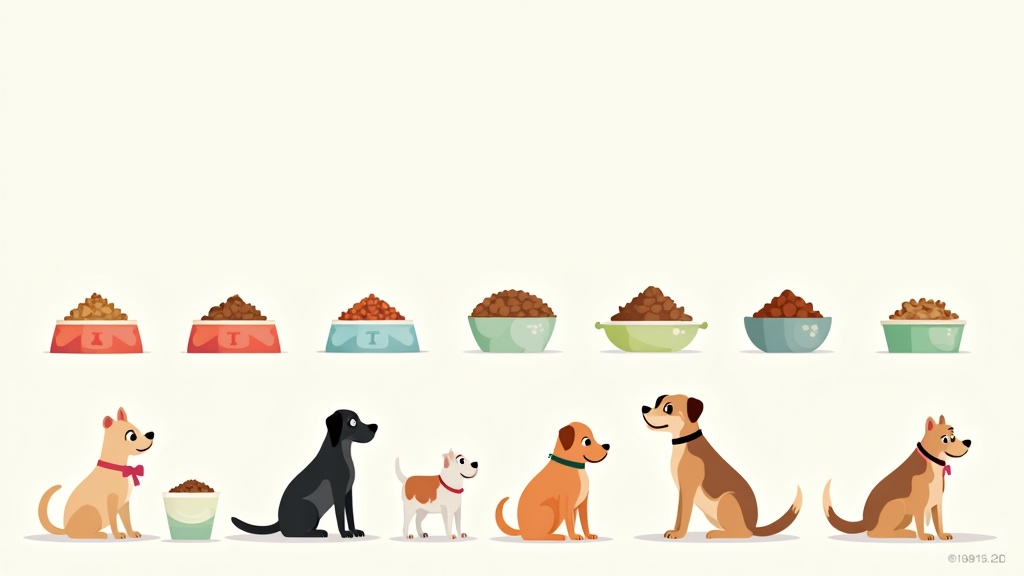
Households with multiple pets should consider personalized meal plans. Each pet has its dietary needs and restrictions. Customization prevents conflicts and ensures each pet receives optimal nutrition. Create separate feeding zones to manage feeding times effectively and minimize food tension among pets.
Dealing With Picky Eaters
Picky eating can disrupt your plans. Engage with your pet by offering different textures and flavors to awaken their interest in food. Be patient and experiment with various approaches. Sometimes, mixing in a new, enticing ingredient can help break monotonous eating patterns. Keep an open dialogue with your vet for advice tailored to your pet’s behavior.
Incorporating Treats Mindfully
Treats are an excellent way to reward good behavior but should not replace meals. Be mindful of the calorie content and choose treats that complement their nutritional needs. Use treats as a part of their daily intake to avoid excess calorie consumption. Balance is key to maintaining their overall diet.