
Feeding your pets can often feel like a chaotic part of your day, especially with hectic schedules and demanding routines. But it doesn't have to be. Implementing organized feeding habits for your pets could revolutionize how you manage their care daily, ensuring both you and your furry companions lead a more structured and fulfilling lifestyle.
Revolutionize Your Routine with a Solid Feeding Schedule
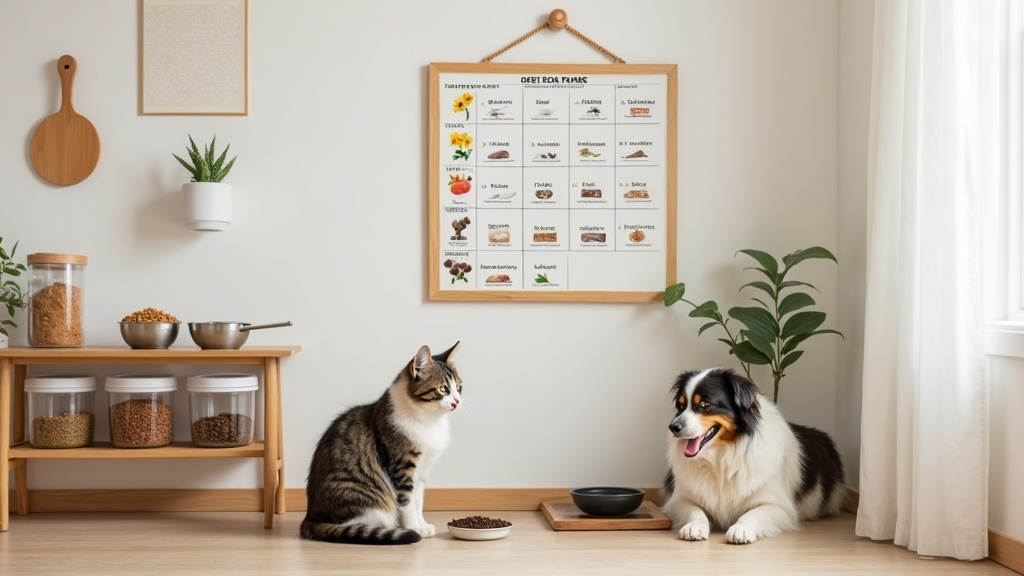
Creating a consistent feeding schedule is the cornerstone of maintaining organized pet care. Mark's story demonstrates this perfectly; he began maintaining a strict feeding routine for his two dogs, Max and Bella, and noticed dramatic improvements in their health and behavior. By setting specific meal times, you help regulate your pet's metabolism and prevent issues related to overeating or weight gain. Regular feeding times also help with house training, as pets often need to relieve themselves shortly after eating. Adopting a strict schedule thus becomes mutually beneficial while reducing daily chaos.
The Art of Meal Prepping for Pets
Just like humans, pets can benefit from meal prepping. Consider Maria, a dedicated cat mom, who spends an hour every Sunday preparing her cat Luna's meals for the upcoming week. By portioning out the correct amount of food and storing it properly, she ensures Luna receives balanced nutrition daily. Meal prepping saves time and reduces the hassle during busy weekdays, leaving you more time to enjoy with your pets.
Keep It Consistent: Uniformity in Food Choices
Switching pet foods frequently can upset your pet's stomach and lead to digestive issues. Consistency in the type of food, whether it's dry kibble, wet food, or a specialized diet, is key to organized feeding habits. Josh, a pet nutritionist, advises pet owners to adhere to a particular brand or type of food unless a change is necessary due to health reasons. Consistent food choices also allow you to monitor if the diet meets all nutritional requirements and keeps your pet's digestive system stable.
Simplify Portion Control with Measured Feeders
Overfeeding is a common issue that can lead to obesity in pets. Measured feeders or food scales are excellent tools to ensure your pet gets the right portion size every time. Lisa, who manages a pet boarding facility, uses automatic feeders for all her guests to maintain optimal health and avoid food-related squabbles. These devices are set to dispense precise amounts of food, thus eliminating guesswork and maintaining a tidy feeding area.
Organize Feeding Stations for Clutter-Free Spaces
Kathryn found peace of mind by organizing her pet feeding station, transforming it into a clutter-free zone. Using separate containers labeled for each type of food and implementing a routine clean-up after meals leads to a hygienic and structured environment. Elevated feeders can also keep the feeding area tidy while providing comfortable eating conditions for older pets.
Monitor and Adapt: Tailor Your Approach Based on Pet Needs
Life changes, and so do the needs of your pets. Hence, monitoring their health and adjusting feeding habits is crucial. Henry, a devoted pet owner, conducted regular weight checks and consulted with his vet to adapt his Persian cat's diet as she aged. Being attentive and flexible with your feeding approach ensures your pet's nutritional needs are consistently met, even as they evolve over time.
Enhance Mealtime with Engagement and Enrichment
Transform feeding into an enriching activity for your pet. Sophie developed engaging mealtime routines for her dogs, Buddy and Charlie, with puzzles and treat dispensers that stimulate their minds as they eat. This not only provides necessary mental stimulation but also ensures they enjoy the feeding process, making it an anticipated event rather than a routine task.
Leverage Technology to Simplify Feeding
Smart devices are revolutionizing pet care, including feeding. Automated feeders, pet cameras, and nutrition-tracking apps give owners like Jake unprecedented control over their pet's feeding regime. These technologies help monitor feeding times, portions, and nutrition, offering a modern take on an age-old task and ensuring a comprehensive approach to organized pet care.