
A consistent feeding routine could be the magical element missing in your pet's life. Much like humans, pets thrive on familiarity and predictability. By understanding the nuances of routine, you can unlock a world where your furry friends feel more secure, healthier, and content. Delve into this exploration of the balance between nourishment and routine and discover how you can enhance your pet's life.
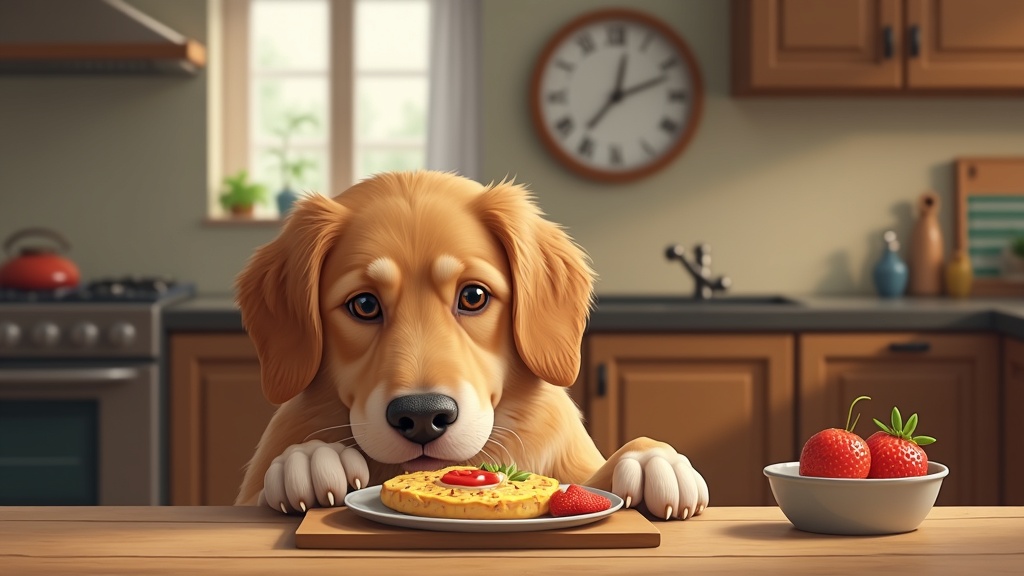
The Inner Clock: How Pets Thrive on Predictability
Every creature possesses some form of an internal clock, guiding their daily rhythms. In pets, this internal sense of time can significantly impact their mood and behavior. Bella Smith, a noted animal behaviorist, explains, 'Regular schedules foster a sense of security. Pets with predictable feeding times exhibit less anxiety and are more emotionally balanced.' Establishing a routine doesn't just feed the stomach but nurtures a sense of stability.
Ingredients of Routine: Beyond the Contents of the Bowl
While ingredients determine the nutritional value, the timing of meals also plays a crucial role. Laura Miller, a pet nutrition specialist, elaborates, 'By integrating regular meal periods, you're not only providing nutrients but also a framework for the day.' A structured routine signals mealtime, which in turn, supports better digestion and absorption. Ultimately, it's about creating a holistic environment for well-being.
Portion Control as a Pillar of Routine
Stability isn't just about timing; it's also about consistency in portions. Animals accustomed to routine portions are less likely to overeat, maintaining a healthier weight. James Carter, a veterinary expert, notes, 'Predictable portions contribute to balanced energy levels and prevent obesity. A pet that knows its meal size is less likely to plead for excess table scraps.'
Crafting the Ideal Mealtime Atmosphere
Creating a peaceful environment for meals serves as a nurturing ritual for pets. Clare Johnson, a holistic pet care advocate, suggests, 'The ambiance during feeding times can impact a pet's comfort levels significantly. A quiet, designated feeding space with limited disturbances ensures that pets associate mealtime with positive experiences.' Such micro-routines enhance their overall quality of life.
Safe Storage: Confidence in Consistency
The manner of storing pet food can also contribute to a stable routine. Well-stored food retains its nutritional value and flavor, ensuring that pets enjoy the same quality every meal. 'Transparent containers in consistent locations can reinforce the feeding routine,' says Marie Collins, a pet dietitian. 'When the essentials are systematic, pets sense security in what's familiar.'
Consistency: The Silent Caretaker
Daily routines are the undercurrent that shapes a pet's existence. When feeding times and practices are steady, pets can better forecast their day. 'Consistency in feeding generates trust,' emphasizes Oliver Brown, a veterinarian specializing in animal psychology. 'This trust is the foundation of the pet-human relationship.'
Routine Planning: Anticipating Health and Bonding
Planning your pet's routine is as much about covering nutritional needs as it is about fostering growth and companionship. A well-constructed plan not only molds the physical state but also strengthens emotional bonds. 'Engaging in planning can deepen the relationship with your pet,' offers Sophia Day, pet therapist. 'It's a pledge of care that they innately recognize and appreciate.'
Embrace the Ritual: Transforming the Ordinary
Feeding routines shouldn't be seen merely as chores but celebrated as opportunities to engage with your pet. 'The feeding ritual is a key interaction point,' remarks Henry Green, an animal behaviorist. 'It teaches responsibility while providing a foundation for communication and affection.' Through simple, consistent frameworks, ordinary feeding moments are transformed into a nourishing ritual of connection.