
Pet food management can often feel like a never-ending chore, but the right storage choices can transform your pet care routine into a seamless process. Discover how selecting the appropriate storage solutions can make storing and serving pet food a breeze.
Understanding the Importance of Freshness
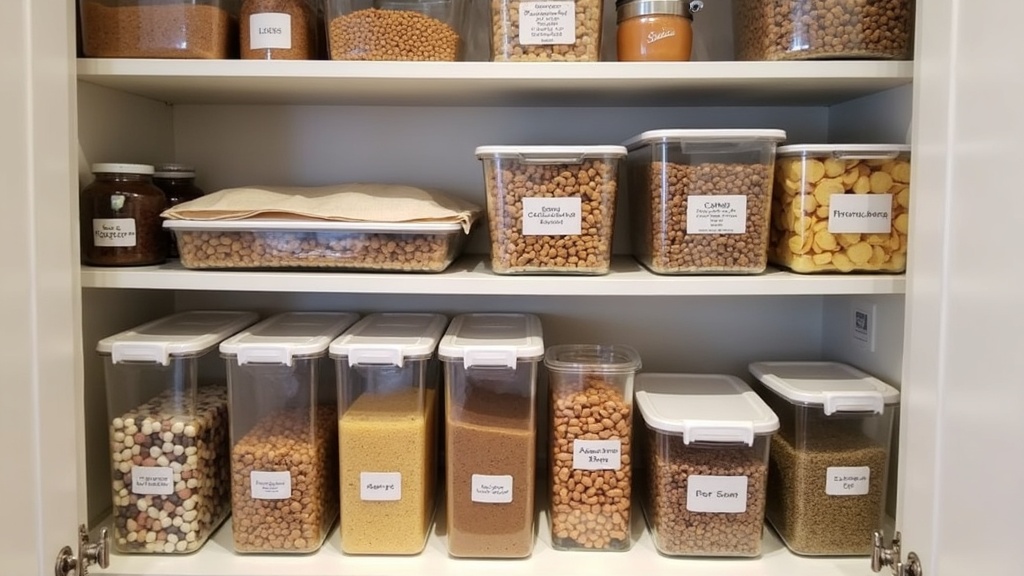
Keeping pet food fresh isn't just about taste—it's also essential for your pet's health. Exposure to air, moisture, and pests can degrade the quality of food, leading to nutritional losses. Opt for airtight containers to ensure the food remains fresh and nutritious, maintaining its intended benefits for your furry friend.
Choosing the Right Storage Container
Not all storage containers are created equal, and selecting the right one can drastically affect your efficiency. Look for containers designed for pet food storage, which often come equipped with features like pest resistance and easy-carry handles for convenient use. Materials like heavy-duty plastic with a secure seal can also prevent contamination.
Labeling for Simplicity and Convenience
Labeling your storage containers can take the guesswork out of mealtime. By clearly marking containers with the type of pet food and expiration dates, you ensure a consistent feeding schedule and avoid the risk of feeding your pet unsafe or expired food.
Portion Control for Proper Nutrition
Organizing food into pre-measured portions can streamline your pet's feeding time and avoid overfeeding. Consider small, resealable bags or tubs to store individual portions, ensuring your pet receives the right amount of nourishment every meal.
Temperature-Controlled Solutions
Depending on the form of pet food—dry, wet, or raw—you may need to consider temperature control as part of your storage strategy. For wet and raw food, a chilled environment is crucial to prevent spoilage. Invest in a mini-fridge or designated area in your refrigerator for pet meals.
Setting Up a Dedicated Pet Food Zone
Creating a specific area in your home for pet food not only improves efficiency but also ensures cleanliness. This area can store all essentials, from bowls and scoops to bins and treats, helping you maintain a tidy home and an organized routine.
Incorporating Pet Food Storage Into Your Meal Planning
Integrating pet food storage with your overall meal planning can save time and reduce the hassle. Just as you prepare meals for the week, organizing pet food in advance prepares you for stress-free feeding times. This practice ensures consistency and planning stability in feeding your pet.
Maximizing Space with Vertical Storage Options
If floor space is limited, consider vertical storage solutions. Stackable bins or hanging racks can accommodate various food types without consuming valuable ground space, making it ideal for smaller homes or apartments.
Using Technology for Efficient Management
Embrace technology by utilizing smart containers equipped with sensors that track food levels and send reminders for refills. These tech-savvy solutions can help prevent running out of pet food and allow for better stock planning, making it easier to manage your inventory efficiently.